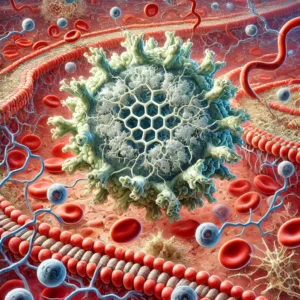
Bovine Cadherin-5, also known as VE-cadherin, is a key protein involved in the maintenance and regulation of endothelial cell junctions. It plays an essential role in vascular development, angiogenesis, and endothelial permeability. The Bovine Cadherin-5 ELISA is a sensitive and specific assay used to quantify VE-cadherin in various biological samples such as serum, plasma, and tissue extracts. This ELISA is particularly useful in studying vascular integrity, tumor metastasis, and cardiovascular diseases.
Importance of Cadherin-5 in Vascular Biology
Cadherin-5 plays a pivotal role in the formation of endothelial adherens junctions, which are crucial for maintaining vascular integrity. The proper functioning of these junctions is essential in controlling the passage of molecules and immune cells across the endothelial barrier. Research on vascular endothelial cadherin (VE-cadherin) has highlighted its importance in angiogenesis and vascular permeability, as detailed in NIH studies on vascular biology.
Features of Bovine Cadherin-5 ELISA
- High Sensitivity and Specificity: This ELISA kit is designed to detect low levels of Cadherin-5, making it ideal for studying endothelial cell biology. Its specificity ensures that the assay provides accurate measurements with minimal cross-reactivity. For more information on ELISA assay design, visit FDA’s guidelines.
- Wide Application: The Bovine Cadherin-5 ELISA can be used in various research areas, including vascular diseases, tumor biology, and inflammation. Understanding how VE-cadherin regulates endothelial junctions can provide insights into atherosclerosis and tumor metastasis, as described in CDC research.
- Broad Detection Range: The assay’s dynamic range allows researchers to detect varying concentrations of Cadherin-5 across different sample types, ensuring reliable data in both high and low concentration samples. Detailed assay dynamics are discussed in NCBI’s resources.
Applications of Bovine Cadherin-5 ELISA
- Tumor Metastasis: Cadherin-5 is implicated in tumor progression and metastasis. Its role in regulating endothelial barrier permeability is crucial for understanding how cancer cells escape into circulation. This process has been extensively studied in tumor biology, and research supported by NCI continues to explore its therapeutic potential.
- Cardiovascular Diseases: VE-cadherin dysfunction can lead to vascular permeability, contributing to conditions like atherosclerosis and vascular leakage. Studies have shown that targeting VE-cadherin could provide therapeutic benefits in cardiovascular diseases, as outlined by NHLBI.
- Inflammatory Diseases: The role of Cadherin-5 in controlling immune cell transmigration across endothelial barriers is critical in inflammatory diseases like rheumatoid arthritis and sepsis. For further reading on inflammatory vascular conditions, see NIAID’s research.
How Bovine Cadherin-5 ELISA Works
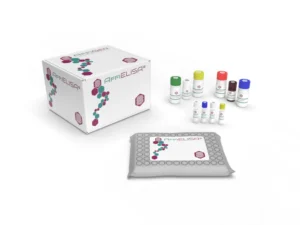
The Bovine Cadherin-5 ELISA follows the sandwich ELISA format:
- Capture Antibody: The plate is coated with an antibody specific to Cadherin-5, which captures the protein from the sample.
- Sample Addition: Biological samples containing Cadherin-5 are added to the wells.
- Detection Antibody: A secondary antibody linked to an enzyme is used to detect the bound Cadherin-5, producing a colorimetric signal.
- Quantification: The intensity of the color change is measured to determine the concentration of Cadherin-5 in the sample.
For detailed protocols on ELISA, visit NIH’s ELISA resources.
Sample Types and Preparation
- Serum and Plasma: These sample types are commonly used for detecting soluble VE-cadherin. Guidelines for preparing these samples can be found in FDA’s clinical guidelines.
- Tissue Extracts: VE-cadherin can also be quantified in tissue homogenates. Proper handling and storage are crucial for maintaining protein integrity, as discussed in CDC’s laboratory standards.
Benefits of Using Bovine Cadherin-5 ELISA
- Accuracy and Precision: The Bovine Cadherin-5 ELISA offers high accuracy in quantifying Cadherin-5 levels, making it an ideal tool for both basic and clinical research. More details on assay precision are available on FDA’s assay validation resources.
- Reproducibility: The assay ensures reproducible results across different sample sets and laboratories, contributing to reliable scientific outcomes. Read more about reproducibility in assay development on NIH’s reproducibility initiative.
Conclusion
The Bovine Cadherin-5 ELISA is an essential tool for researchers exploring endothelial cell biology, vascular diseases, and cancer metastasis. By providing accurate, sensitive, and reproducible results, this assay helps scientists unravel the complexities of vascular endothelial cadherin and its role in health and disease. For more information on research involving Cadherin-5, consult resources from the National Institutes of Health, Food and Drug Administration, and the Centers for Disease Control and Prevention.
This ELISA kit is a powerful tool for advancing our understanding of endothelial cell function and vascular diseases, opening new avenues for therapeutic development.